When most people imagine an African safari, they dream of seeing lions stalking prey, elephants roaming the plains, or cheetahs sprinting across the savannah. Few expect one of the most fascinating wildlife encounters to involve a warthog.
Often underestimated because of its appearance, the warthog is one of Africa’s toughest and most resilient animals. While its first instinct is to run, there comes a moment when escape is no longer an option. That’s when this seemingly timid animal transforms into a fearless fighter.
If you’re planning a Kenya safari, understanding warthog behavior will make every wildlife sighting even more exciting.
Why Warthogs Prefer to Run Instead of Fight
Warthogs are prey animals, meaning survival depends on staying one step ahead of predators.
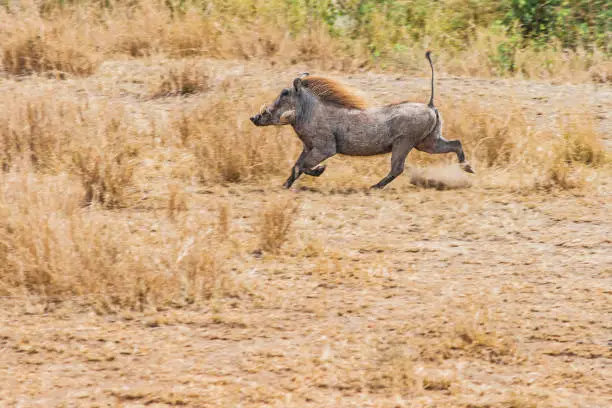
Rather than confronting danger, they rely on remarkable speed and agility. An adult warthog can sprint at speeds of up to 50 km/h (31 mph), allowing it to outrun many predators over short distances.
When startled, you’ll often see a warthog dash across the savannah with its tail pointing straight into the air like a small flag. This distinctive behavior helps family members stay together while running through tall grass.
For most encounters, running is the safest option.
When Running Isn’t Enough
Nature doesn’t always provide an escape route.
If a warthog is cornered or protecting its young, fleeing may no longer be possible. Instead of surrendering, it stands its ground.
Despite their stocky appearance, fully grown male warthogs are surprisingly powerful. Their muscular necks, low center of gravity, and razor-sharp tusks make them dangerous opponents.
A determined warthog can seriously injure a predator that underestimates it.
A Formidable Opponent for Africa’s Predators
Many safari travellers are surprised to learn that a mature male warthog can successfully defend itself against formidable predators.
Its long, curved tusks serve as powerful weapons during close encounters. While warthogs remain vulnerable to lions and large predator groups, they have been observed chasing away solitary leopards and even intimidating spotted hyenas that decide the risk isn’t worth the reward.
This remarkable courage is a reminder that survival on the African plains is about more than size it’s also about determination.
Built for Survival
Every feature of a warthog has evolved to improve its chances of survival.
Incredible Speed
Reaching speeds of around 50 km/h, warthogs can quickly disappear into nearby bushes or race toward the safety of their burrows.
Sharp Tusks
Their curved tusks are used for digging, defending themselves, and competing with rival males.
Safe Retreats
Unlike many other animals, warthogs often back into abandoned aardvark burrows. By facing the entrance, they can use their tusks to defend themselves against any predator that tries to enter.
Constant Awareness
Excellent hearing and a keen sense of smell allow warthogs to detect danger before predators get too close.
Where Can You See Warthogs on a Kenya Safari?
Although visitors often focus on the Big Five, warthogs are among the most entertaining animals to observe in Kenya.
You can frequently spot them in:
- Masai Mara National Reserve – Large populations roaming open grasslands alongside zebras, wildebeest, and giraffes.
- Amboseli National Park – Often seen grazing beneath the backdrop of Mount Kilimanjaro.
- Samburu National Reserve – Home to unique northern wildlife and excellent opportunities to observe warthogs in their natural habitat.
- Nairobi National Park – One of the few places in the world where you can photograph warthogs with a city skyline in the distance.
- Tsavo East and Tsavo West National Parks – Vast wilderness areas where warthogs thrive among elephants, buffalo, and predators.
Because they’re active throughout the day, warthogs are among the easiest animals to photograph during a game drive.
Why Every Safari Guide Loves Warthogs
Experienced safari guides know that every animal has a story.
Watching a warthog suddenly sprint across the plains, kneel while grazing, disappear tail-first into a burrow, or bravely confront a predator creates unforgettable safari moments.
These behaviors remind us that Africa’s wilderness isn’t only about dramatic lion hunts it’s also about the incredible survival strategies of animals many travellers overlook.
The more you understand these fascinating creatures, the richer your safari experience becomes.
Frequently Asked Questions
How fast can a warthog run?
A warthog can reach speeds of approximately 50 km/h (31 mph) over short distances, helping it escape predators.
Do warthogs fight predators?
Yes. Although they prefer to flee, cornered warthogs can defend themselves using their powerful tusks and have been known to repel solitary predators such as leopards and spotted hyenas.
Why do warthogs run with their tails up?
Their raised tails act like visual signals, helping family members follow each other while running through tall grass.
Where is the best place to see warthogs in Kenya?
Masai Mara, Amboseli, Samburu, Tsavo, and Nairobi National Park all offer excellent opportunities to observe warthogs in the wild.
Experience Africa’s Hidden Wildlife Stories
Every safari is filled with unforgettable moments, but the most memorable experiences often come from animals you least expect.
The next time you spot a warthog, don’t dismiss it as just another animal crossing the road. Watch closely. You might witness an incredible display of speed, intelligence, and courage that few travellers ever forget.
At Tai Expeditions, our experienced safari guides help you discover not just Africa’s famous wildlife, but also the fascinating stories behind every animal you encounter.
Ready to experience Kenya’s incredible wildlife up close? Book your next safari with Tai Expeditions and discover the untold stories waiting on the African savannah.