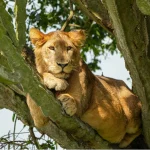
Picture this: you’re on an early morning game drive across Kenya’s golden savannah. A pride of lions rests beneath an acacia tree while playful cubs chase one another, pounce on their mothers’ tails, and tumble through the grass. It looks like a peaceful family moment but hidden beneath this scene is one of nature’s toughest survival stories.
Every lion cub is born into a world where survival is never guaranteed. From rival males taking over a pride to fierce competition for food, only the strongest prides give their cubs a real chance of reaching adulthood. Understanding these remarkable dynamics transforms an ordinary lion sighting into one of the most unforgettable experiences on safari.
Why the Pride Is Everything
Unlike solitary cats such as leopards, lions live in close-knit family groups known as prides. Every member has a role in protecting the young.
Lionesses work together to hunt and care for cubs, while the dominant male or coalition of males defends the pride’s territory against dangerous rivals. When the pride is healthy, organised, and successful at hunting, cubs are more likely to survive their vulnerable early years.
The Greatest Danger Isn’t What Most Visitors Expect
Many first-time safari travellers assume hyenas or crocodiles are the biggest threat to lion cubs. Surprisingly, one of the greatest dangers comes from other lions.
When a stronger male or coalition takes over a pride, they often kill cubs fathered by the previous dominant male. This behaviour, known as infanticide, allows the new males to pass on their own genes.
Although difficult to witness, it is a natural part of lion ecology and one of the reasons pride stability is so important.
Food Determines a Cub’s Future
Even in a safe pride, life remains challenging.
Adult lions eat first after a successful hunt. Cubs feed last, meaning prolonged droughts or unsuccessful hunts can leave little food for the youngest members of the pride.
This is why experienced lionesses are so important. Their teamwork and hunting skills directly influence whether the next generation survives.
Growing Up Takes Time
Lion cubs need nearly two years before they become more independent.
During this time they learn to stalk prey, recognise danger, communicate within the pride, and understand the complex social structure that keeps the family together.
Young males eventually leave the pride to establish territories of their own, while females usually remain with their mothers and sisters, helping raise future generations of cubs.
Witnessing Lion Behaviour on a Kenya Safari
One of the greatest rewards of a safari isn’t simply spotting lions it’s observing their behaviour.
Whether it’s lionesses coordinating a hunt, cubs learning through play, or a dominant male patrolling his territory, every encounter tells a story about survival, leadership, and family.
Destinations such as the Masai Mara National Reserve, Amboseli National Park, Samburu National Reserve, and Nairobi National Park offer exceptional opportunities to observe lions behaving naturally in their wild habitat.
Every game drive is different, making each sighting unique.
Why Understanding Wildlife Makes Your Safari More Meaningful
The next time you see lion cubs playing in the grass, you’ll know you’re witnessing more than a heartwarming moment.
You’re watching young animals whose future depends on strong leadership, successful hunting, and the unity of their pride. Every playful leap represents resilience in one of the world’s most challenging environments.
This deeper understanding turns a wildlife sighting into a memorable story you’ll carry home long after your safari ends.
Frequently Asked Questions
Where is the best place to see lion cubs in Kenya?
The Masai Mara, Amboseli, Samburu, and Nairobi National Park are among the best destinations, although sightings depend on the season and the movements of individual prides.
Why do new male lions kill cubs?
New dominant males may kill unrelated cubs so that lionesses return to breeding sooner, allowing them to sire their own offspring.
When is the best time to see lions in Kenya?
Lions can be seen year-round, but early morning and late afternoon game drives usually offer the best opportunities to observe active behaviour.
How many lion cubs survive to adulthood?
Many cubs do not survive because of food shortages, disease, predation, or pride takeovers. Strong, stable prides significantly improve their chances.
Experience the Story for Yourself
Reading about lion behaviour is fascinating but witnessing it in the wild is unforgettable.
Imagine watching a pride wake with the sunrise, hearing the deep roar of a dominant male echo across the plains, or seeing curious cubs take their first playful steps while experienced lionesses keep a watchful eye nearby.
These are the moments that define an authentic African safari.
Book your next Kenya safari with Tai Expeditions and experience the incredible lives of Africa’s lions through the eyes of expert guides. Every game drive is an opportunity to witness nature’s greatest stories unfold.